Who, precisely, is Seraphino?
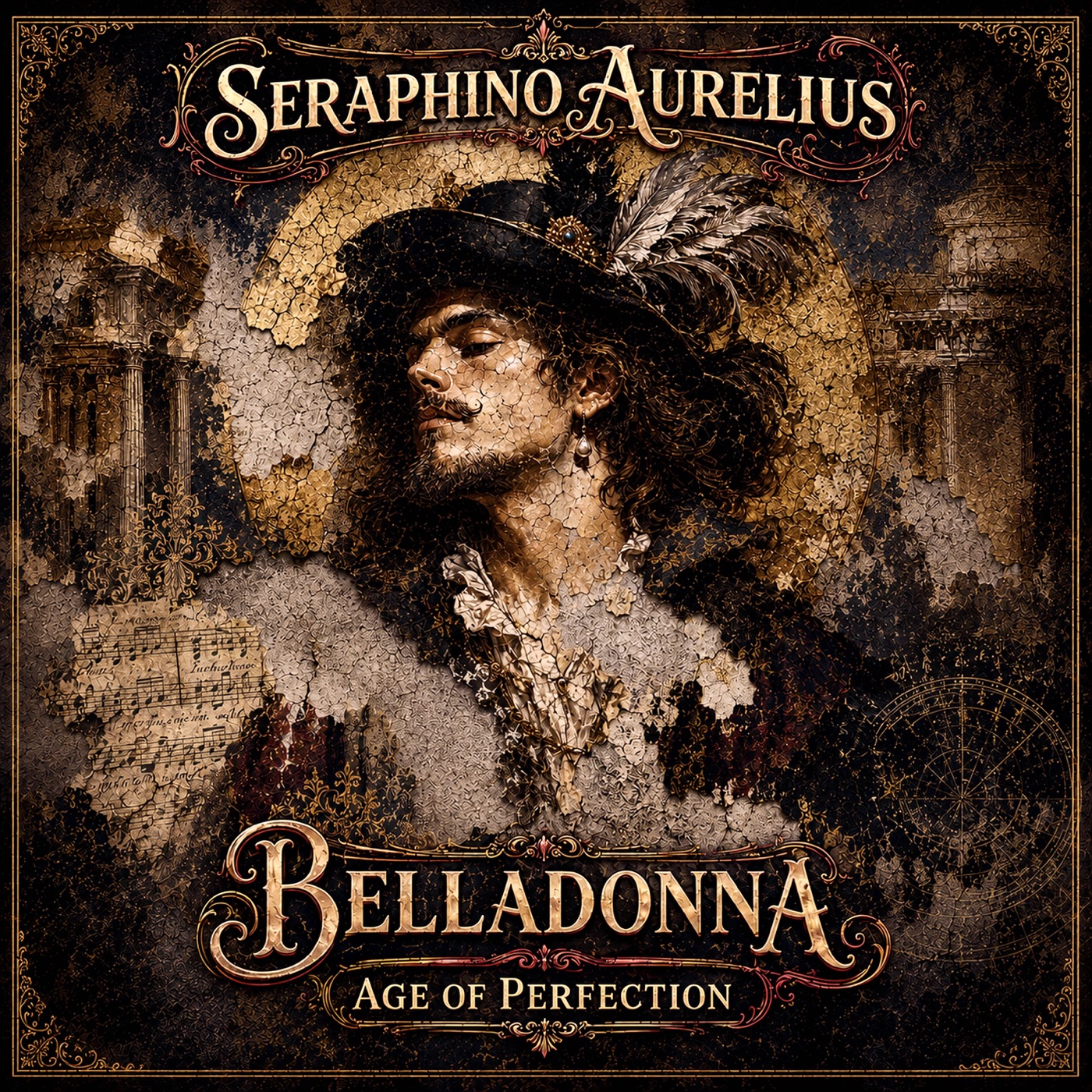
Seraphino Aurelius Belladonna is a Florentine poet, minstrel, philosopher, and critic of preventable nonsense, born on Michaelmas in 1488 and deposited in this century by the consequences of the Forbidden Chord.
How did he arrive in the modern age?
He played the Forbidden Chord. It did not conclude in the same century in which it began. Beyond that, Seraphino considers the question tedious and the chord’s behavior deeply unprofessional.
Is Seraphino a comedy act?
Seraphino is entirely sincere. The circumstances surrounding him have chosen to be ridiculous.
Why does he speak in such a manner?
He speaks perfectly well. Modern English, in his estimation, remains an aggressively abbreviated draft.
Where should a new listener begin?
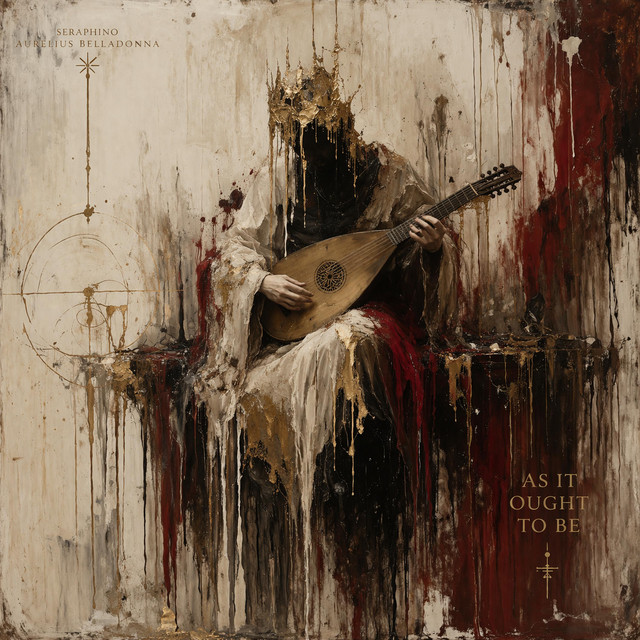
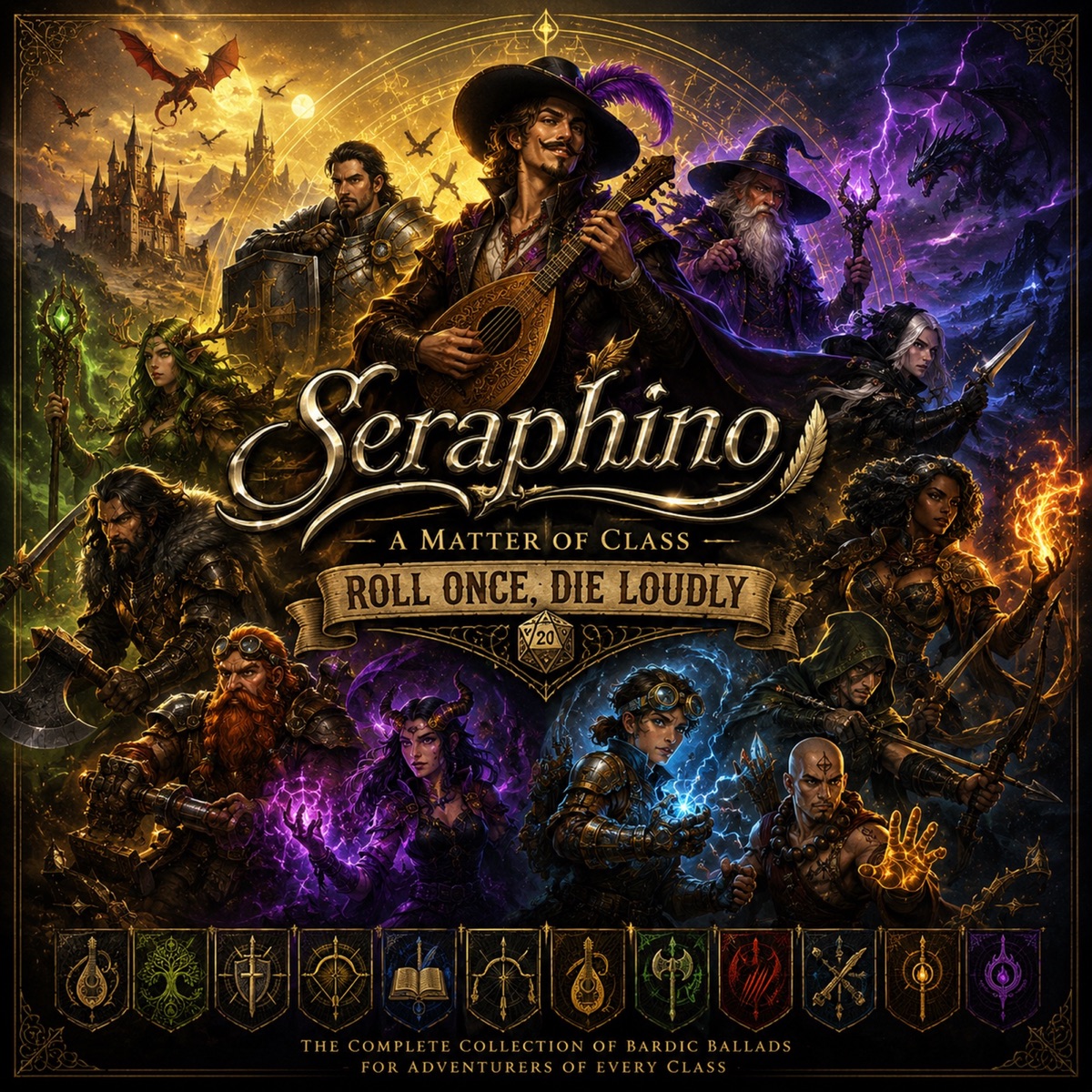
Begin with As It Ought to Be for Seraphino’s newest and most expansive statement. Choose A Matter of Class for fantasy adventure and D&D satire, or Age of Perfection to meet the man through art, history, rivalry, and magnificent self-regard.
What manner of music does he make?
Theatrical songs shaped by orchestral folk, Renaissance color, character comedy, satire, and an occasionally alarming quantity of brass. Seraphino regards genre as useful chiefly to those arranging shelves.
Is all of the music about Dungeons & Dragons?
No. A Matter of Class gives adventurers and their regrettable decisions a proper musical reckoning. Age of Perfection ranges through art, history, vanity, and modern manners. As It Ought to Be turns toward beauty, memory, mortality, devotion, and the question of what remains when performance gives way to truth.
Must one understand D&D to enjoy A Matter of Class?
Not at all. Familiarity may reveal additional mischief, but the songs concern recognizable human failings: confidence without evidence, contracts left unread, plans abandoned, and companions who never listen to the healer.
Are the songs part of one continuing story?
They share Seraphino’s voice, world, and unwavering judgment, but each song may stand alone. The albums reward an orderly hearing; Seraphino accepts that modern listeners have complicated relationships with order.
Who are the other voices heard in his songs?
Among Seraphino’s trusted collaborators are Halo Audelle, Matteo di Verro, and Darrin Steelheart. He selects each voice with care, directs every performance, and graciously permits excellence in his vicinity.
Why does a solitary minstrel keep arriving with an orchestra?
Seraphino owns one lute. The horns, strings, choir, and timpani continue to appear without presenting invoices or satisfactory explanations. He has elected not to discourage them.
Where may I read about the songs themselves?
Each song has its own page containing a concise account of the piece and Seraphino’s commentary upon its composition. Begin with either album’s track list and choose whichever title appears least likely to improve thy behavior.
Does Seraphino approve of the modern world?
Selectively. He admires indoor plumbing, recorded music, and several advances in tailoring. He remains unconvinced by automated menus, public etiquette, and any device that requireth an account before performing its obvious function.